Signed in as:
filler@godaddy.com
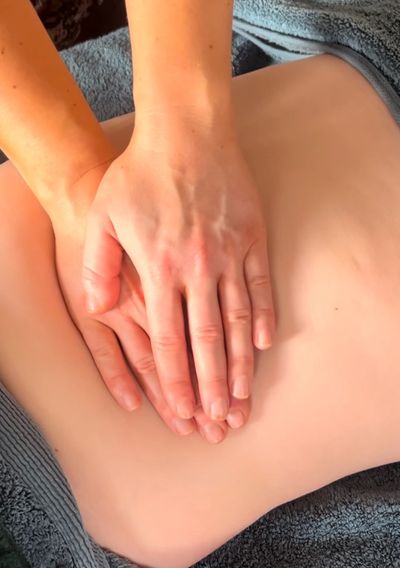
Recovering from surgery can feel uncomfortable, swollen, and sometimes a little worrying if you’re not sure what’s normal. Post-operative lymphatic drainage massage is a gentle treatment designed to support your body during this healing phase and help you feel more comfortable as you recover.
This specialised massage encourages the movement of lymphatic fluid in the body, helping to reduce swelling, move trapped fluid, improve circulation, and support the natural healing process.
Many people have this treatment after procedures such as liposuction, tummy tuck, BBL, breast surgery, chin lipo, or other cosmetic or medical procedures where swelling and fluid build-up are common.
After surgery, the body naturally produces swelling as part of the healing process. During this time, the lymphatic system (which helps remove fluid and waste from tissues) can become a little overwhelmed.
Lymphatic drainage massage works by using very gentle, slow and rhythmic movements that help guide fluid towards the lymph nodes where it can be processed and removed by the body.
This can help to:
• Reduce swelling and fluid retention
• Support circulation and healing
• Help prevent fluid build-up (seromas)
• Reduce the risk of fibrosis (hardened scar tissue)
• Improve comfort and mobility during recovery
• Help the body feel less tight and congested
Many clients also find the treatment very relaxing, which can be helpful when recovery can otherwise feel stressful.
Your first appointment will include a consultation and treatment.
We’ll begin by talking about:
This helps ensure the treatment is safe and appropriate for your recovery.
The massage itself is very gentle and slow. It is not a deep tissue massage and should never feel painful.
Techniques are used to:
Most clients describe the treatment as light, soothing and relaxing.
If your surgery involved multiple areas of the body (for example liposuction on the arms, chin, abdomen, thighs or back), additional treatment time may be recommended so all areas can be treated properly.
This will depend on your surgeon’s advice, but most people begin lymphatic drainage between 3–7 days after surgery, or once they have been cleared for treatment.
Every recovery is different, but most clients benefit from 6–12 sessions to support the healing process.Treatments are usually more frequent at the beginning, when swelling is at its highest.A typical schedule may look like:• 2–3 treatments per week during the first couple of weeks • 1–2 treatments per week as swelling improvesSome procedures, such as liposuction or BBL, may require a slightly longer course of treatments due to the amount of swelling involved.
Every recovery is different, but most clients benefit from 6–12 sessions to support the healing process.Treatments are usually more frequent at the beginning, when swelling is at its highest.A typical schedule may look like:• 2–3 treatments per week during the first couple of weeks • 1–2 treatments per week as swelling improvesSome procedures, such as liposuction or BBL, may require a slightly longer course of treatments due to the amount of swelling involved.
Your first appointment includes a consultation and lymphatic drainage treatment to assess your recovery and begin supporting fluid movement and healing.
A series of five treatments designed to support the early stages of recovery. This package helps maintain consistent lymphatic flow while swelling is at its highest.This is often a good starting point for smaller procedures.
A more comprehensive recovery package recommended for procedures such as liposuction, BBL, tummy tuck, or surgery involving multiple areas of the body.Regular treatments over this period can significantly support the healing process and help manage swelling effectively.